

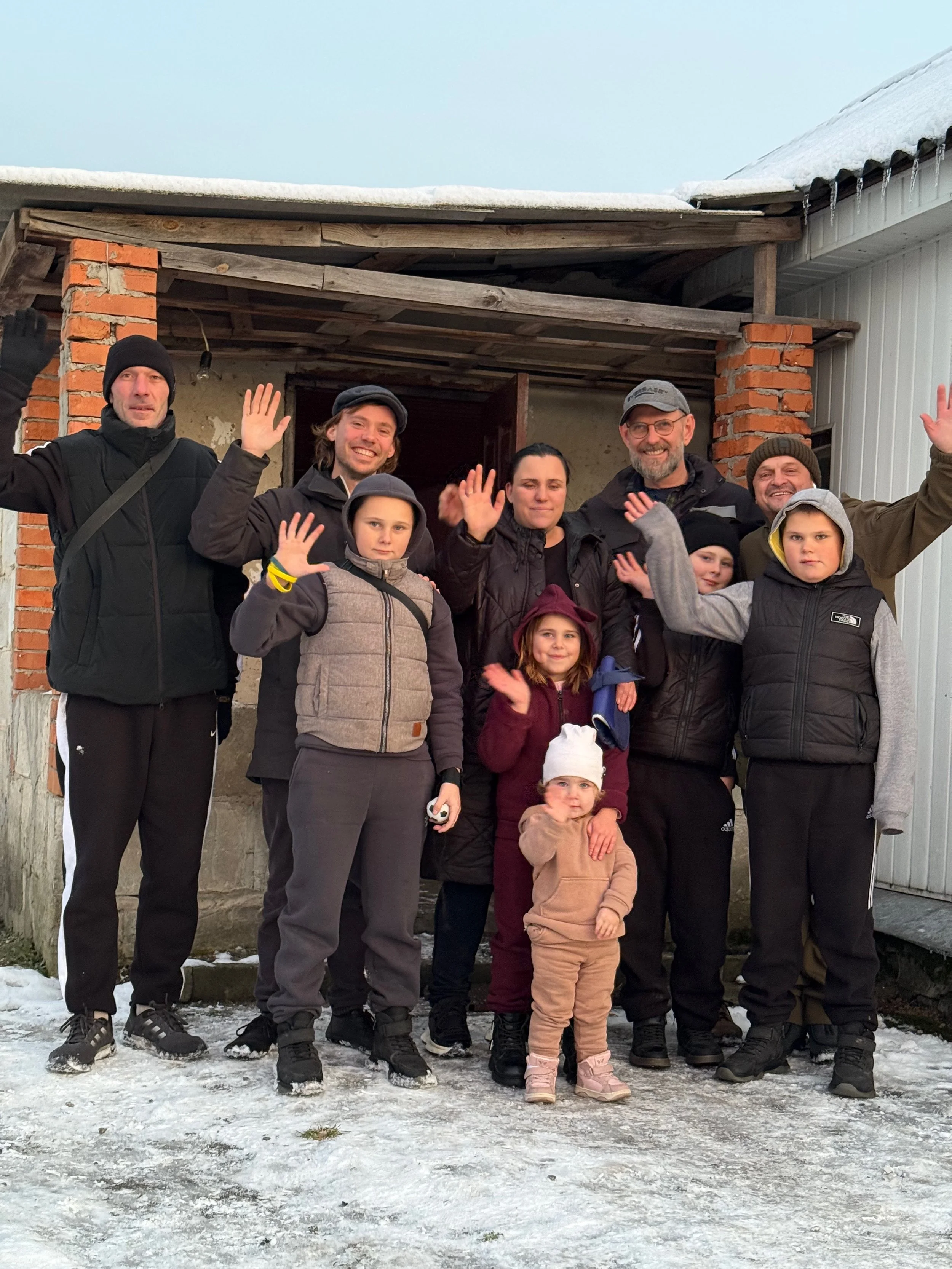

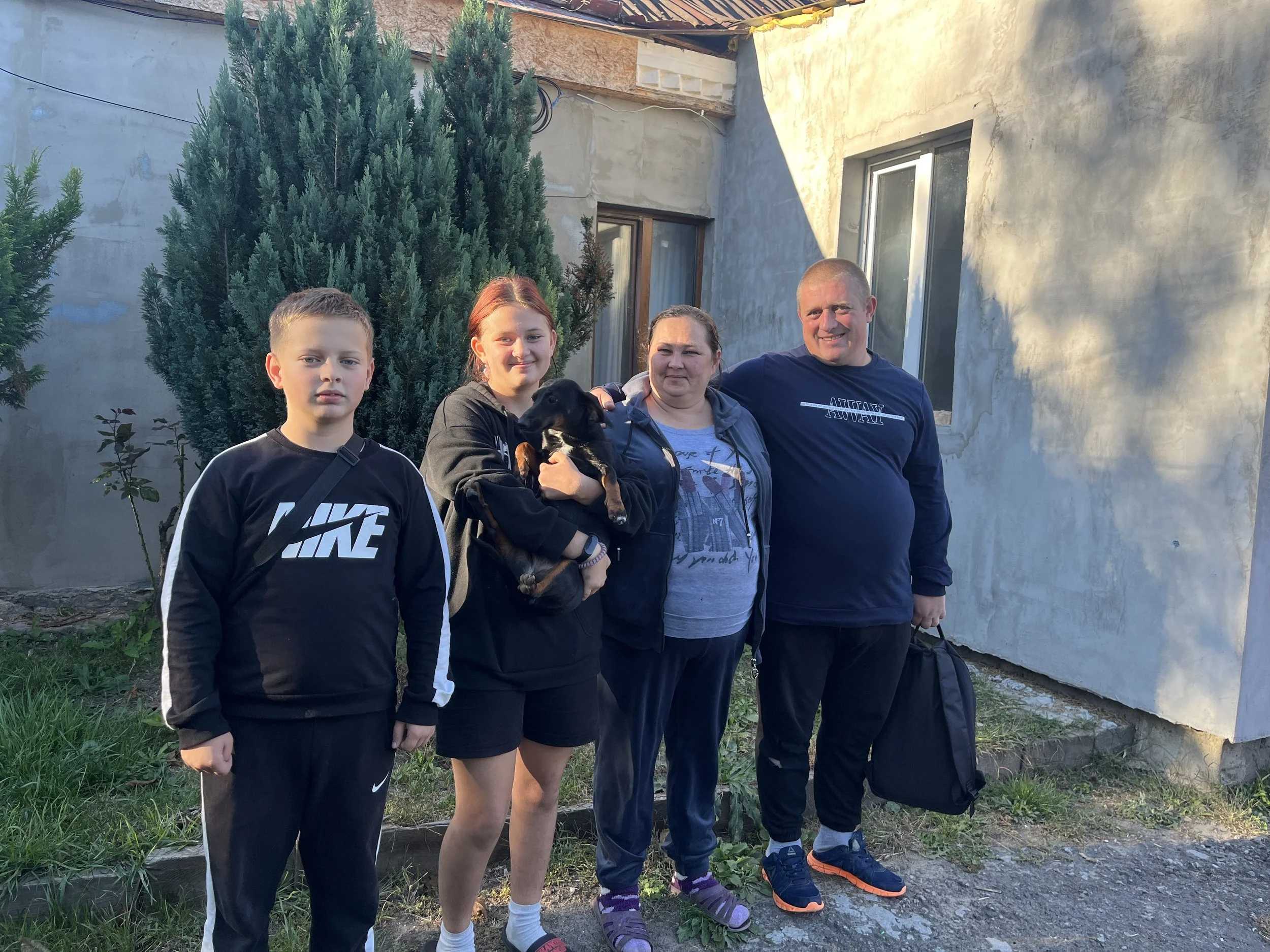
For more than two years, we have been supporting 100 children in Shevchenko, a village near Pokrovsk in the Donbas region of Ukraine. These children grew up surrounded by war. Many of them haven’t been to school for five years and have spent their childhood under the constant threat of shelling.
“I’ll never forget playing football with them while rockets echoed in the distance. What struck me most was how they kept playing, as if nothing had happened,” says Bas Spijker, founder of Dutch Civilian Action.
As the frontline moved closer to their village, families were forced to evacuate. Some found shelter with relatives elsewhere in Ukraine, but for 11 families, including 22 children, we were able to provide housing in the safer town of Makariv.
Our local partner, Vova, who lives in Makariv, plays a vital role in supporting these families. He helped find homes for them and continues to make sure they are doing well. Thanks to this support, the children are back in school, parents are able to work again, and whenever problems arise, Vova is there to help.
Providing housing
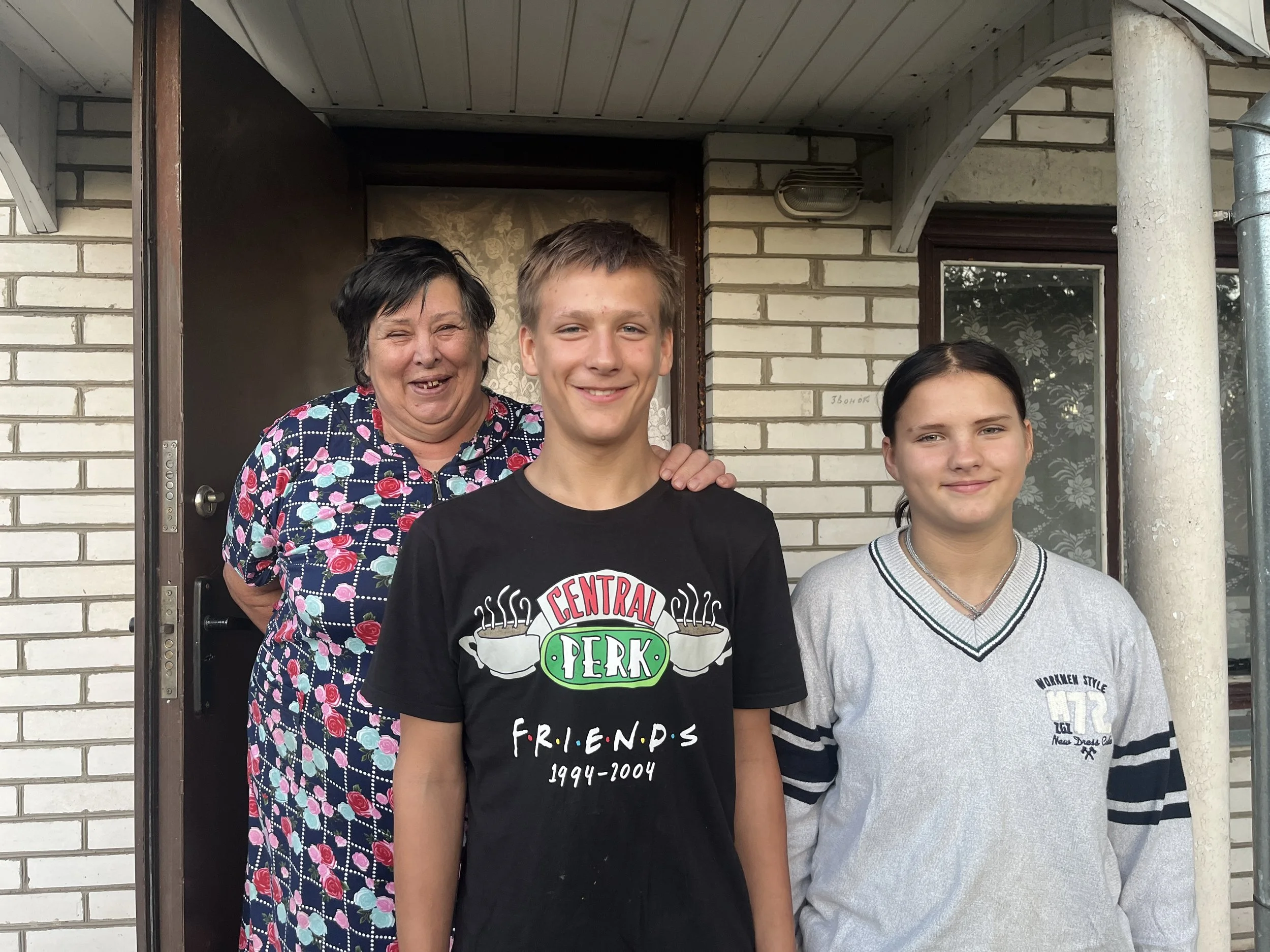
Every Thursday, Vova also organizes activities where the children come together to play, connect, and simply be children again. Because we travel to Ukraine every six weeks, we regularly visit the families ourselves.
“While we were playing with the children in the park, the mother of Nastya sat next to me and told me how much she missed her home in the Donbas,” says James, mission leader at Dutch Civilian Action. “Then Nastya, who is 14 years old, nudged her mother and said: ‘What are you missing? Look around you.’”
For these families, especially the parents, the loss is enormous. They lost the homes they built, the communities they knew, and the places that once felt safe and familiar. At the same time, we see the children slowly rebuilding their lives. With care, stability, and support from people like Vova, they are developing themselves and beginning to look toward the future.
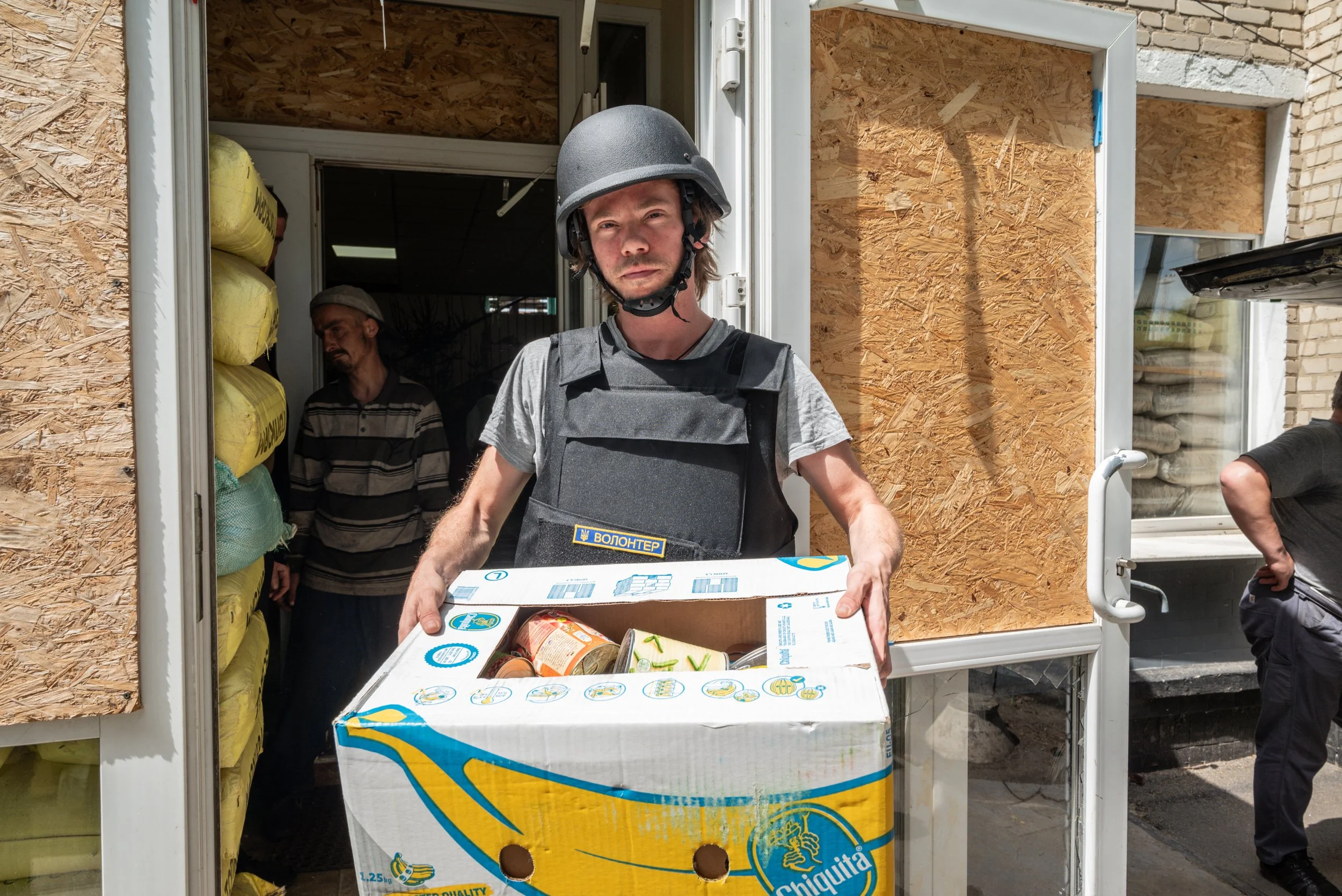

In December 2024, we made the difficult decision to stop delivering aid directly to civilians in frontline areas. The risks had become extremely high. During conversations with local evacuation partners, we also learned something important: bringing humanitarian aid directly into frontline zones can unintentionally encourage people to stay longer. Many delay evacuation until the very last moment, when it often becomes too dangerous to evacuate them safely.
Because of this, we now focus primarily on supporting evacuations in frontline areas rather than delivering food directly. This allows evacuation teams to carry out their work more safely and effectively, helping civilians leave dangerous areas before it is too late.
At the same time, we continue to provide life-saving support in other ways.
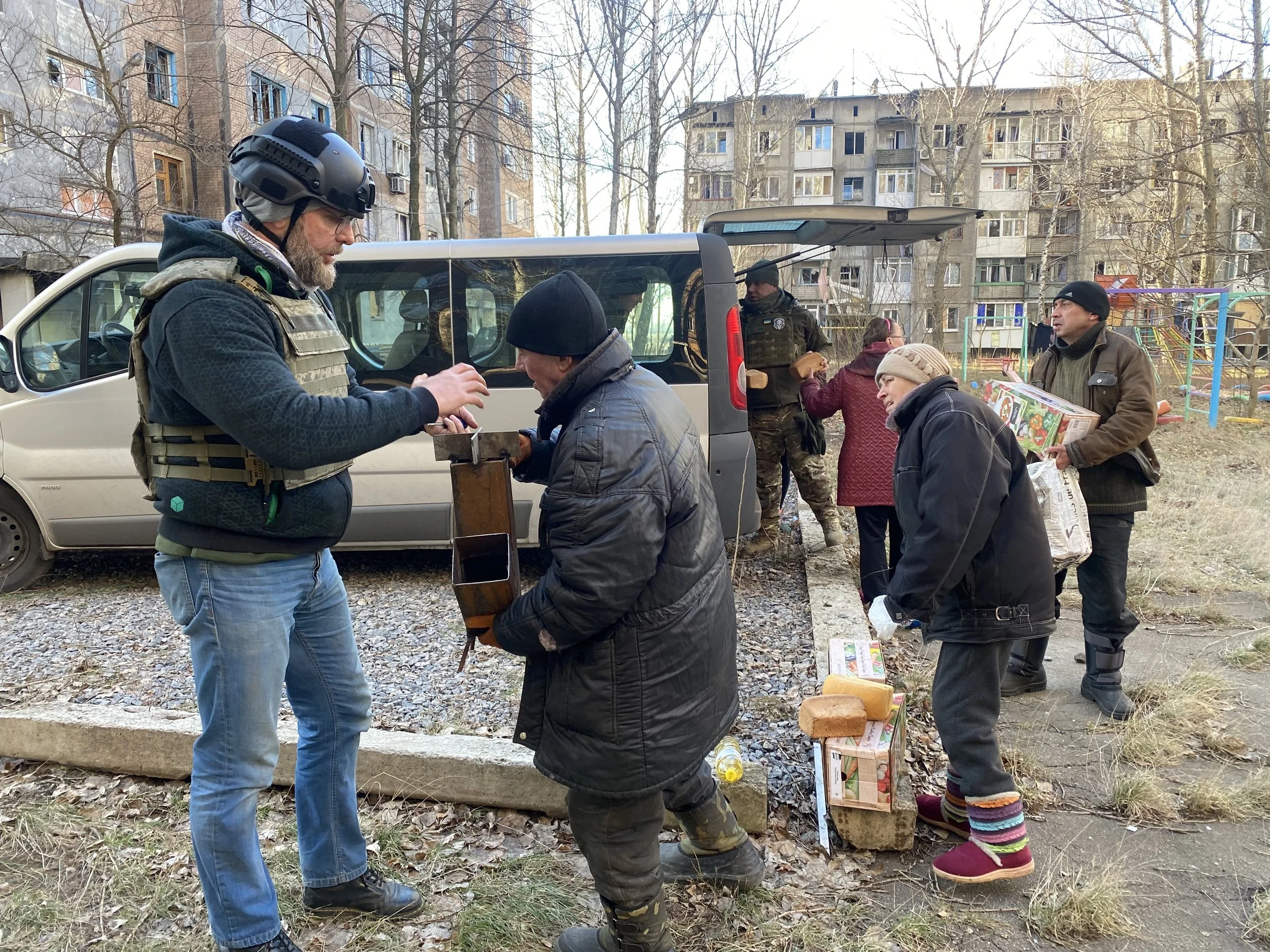
We used to deliver essential goods directly to civilians living close to the frontline in Ukraine. We travelled to cities such as Avdiivka, Kupiansk, Pokrovsk, and Kherson, as well as nearby villages where people were surviving in bomb shelters and basements. Civilians often came outside only briefly to receive humanitarian aid, while the sound of constant shelling surrounded us.
Humanitarian aid
We brought food and hygiene supplies to help people survive in places where shops no longer existed and basic services had completely collapsed. Many families had been living underground for months without reliable access to food, medicine, or clean water.

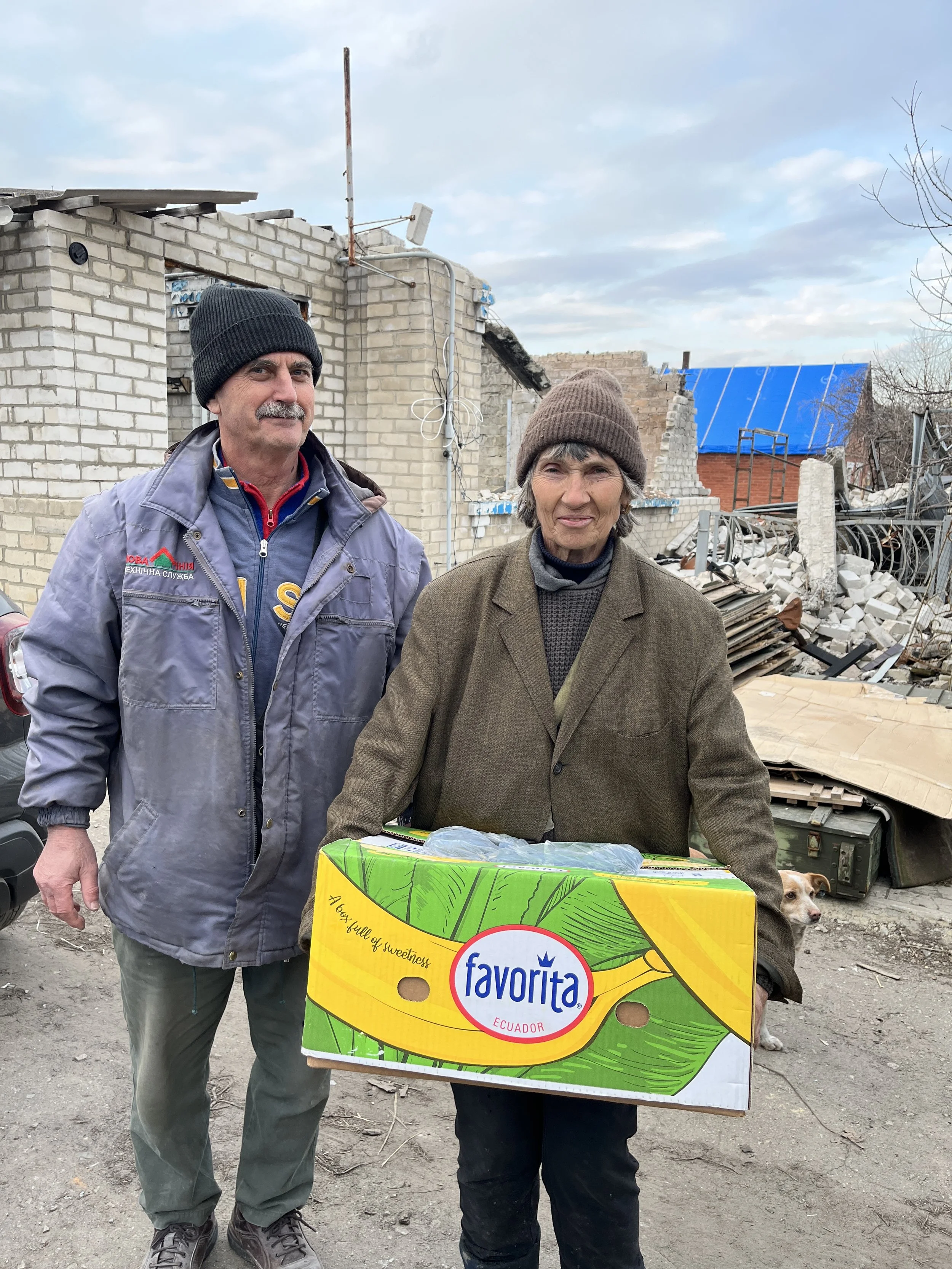

We support hospitals near the frontline, where the need for medical care is enormous and infrastructure remains under constant pressure. Hospitals and even ambulances are regularly targeted, yet medical staff continue their work every day under extremely difficult circumstances.
We collect medical equipment from Dutch hospitals that is no longer in use in the Netherlands and deliver it to hospitals near the frontline, where it is urgently needed. In addition, we received five donated ambulances, which were repaired with the support of our donors and delivered to hospitals to help save lives every day.
Food and hygiene products are now mainly distributed to people after they have fled frontline areas. We deliver essential goods to our local partners Igor and Olga, who run a center in Kharkiv, a city located about 30 kilometers from the frontline, where approximately 200 internally displaced people arrive every week from frontline regions.